

Approach shoes are a hybrid mixture of rock climbing shoes and hiking shoes, which gives them wide versatility outdoors. You can climb easy routes and scramble in them when approaching crags and boulders. Or, you can hike or trail run in them without changing to more specialized shoes. However, there are a couple of things you should look for when choosing a pair of approach shoes. These include how well they climb, how well they hike, weight, durability, comfort, breathability, protection, and a few other deciding factors. Of course, there are no approach shoes that can do it all, so you should consider what is essential to your lifestyle and what you can leave behind. With all the choices you have, it can be a little difficult finding a pair that suits you best. This is especially true if it’s your first. So to help you with your search, we’ve created a detailed guide on how to choose approach shoes. Let’s begin!
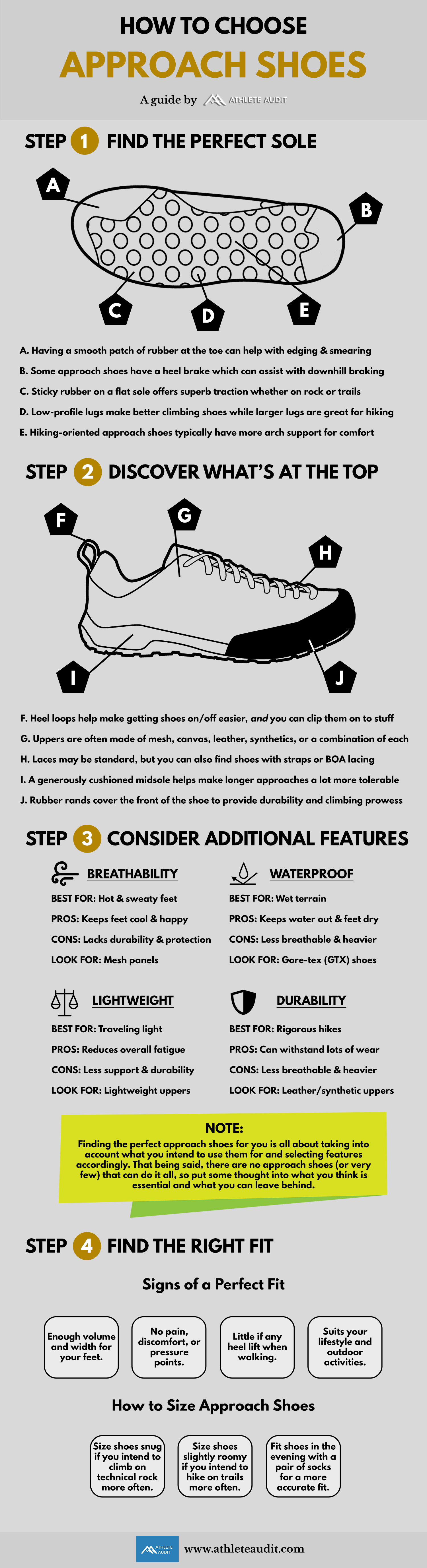
How to Choose Approach Shoes Infographic
How to Choose Approach Shoes: In-Depth
Step 1: Find the Perfect Sole
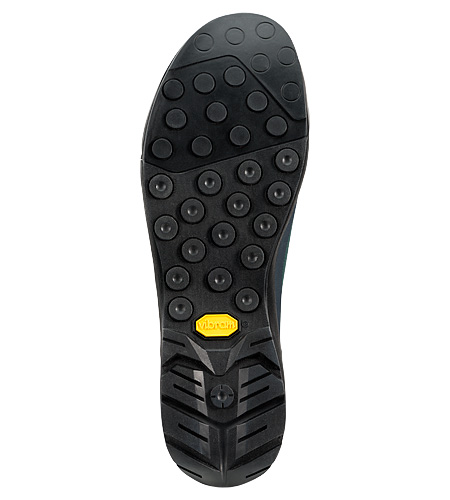 Climbing Zone - A smooth patch of rubber covering the toe can help you climb better on low-class rock, whether it’s smearing or edging.
Heel Brake - A somewhat flat heel can help to assist you with downhill braking, which is crucial for steep descents.
Flat, Sticky Sole - A flat sole with sticky rubber helps to provide traction on rock or trails.
Suitable Lugs - Look for smaller lugs if you intend to climb more, as they help you keep a lower profile on rock. Look for larger lugs if you’re going to hike more.
Arch Support - If you’re going to be hiking long distances, look for approach shoes with ample arch support to make the hike a lot more tolerable.
Climbing Ability
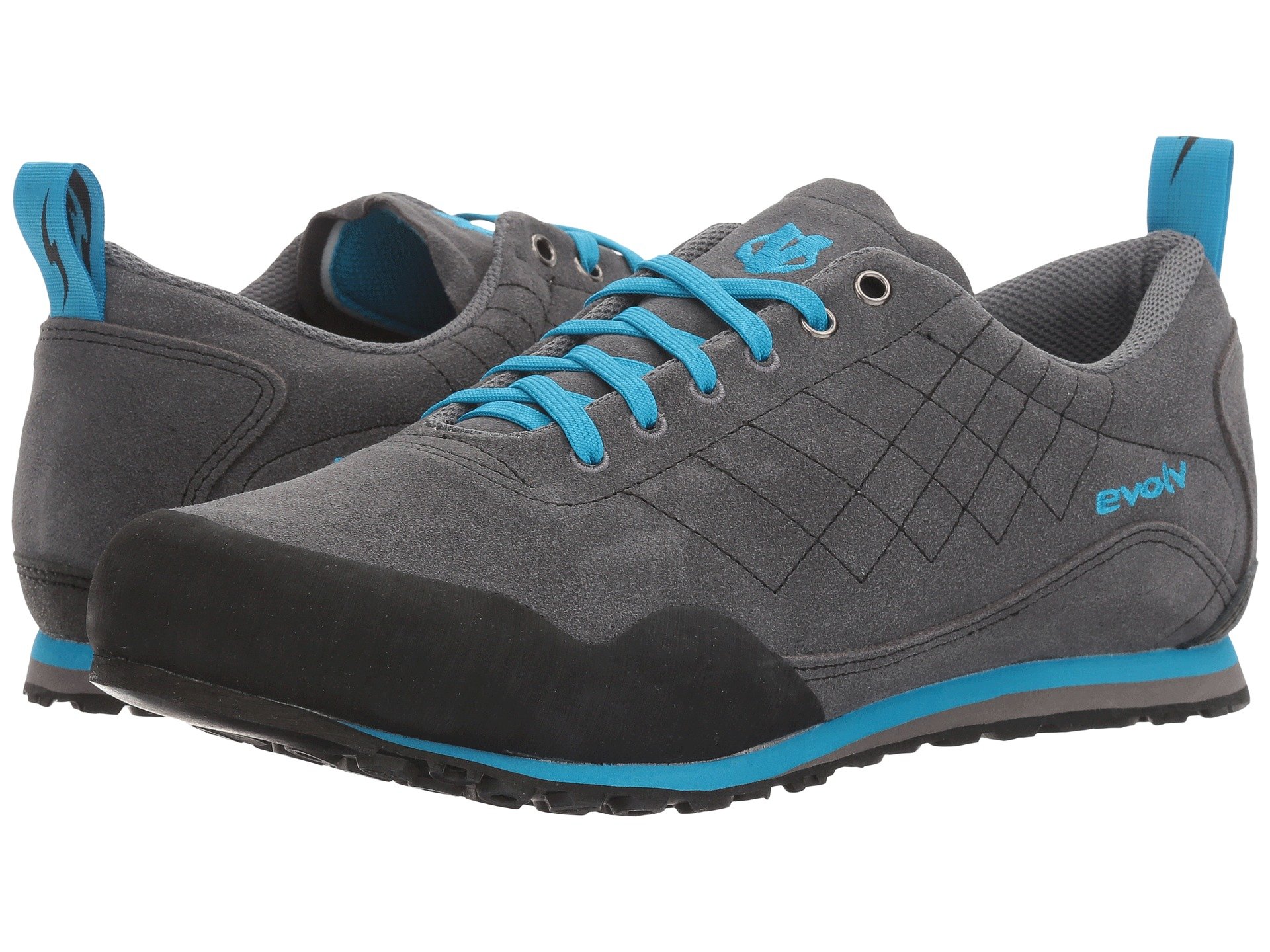
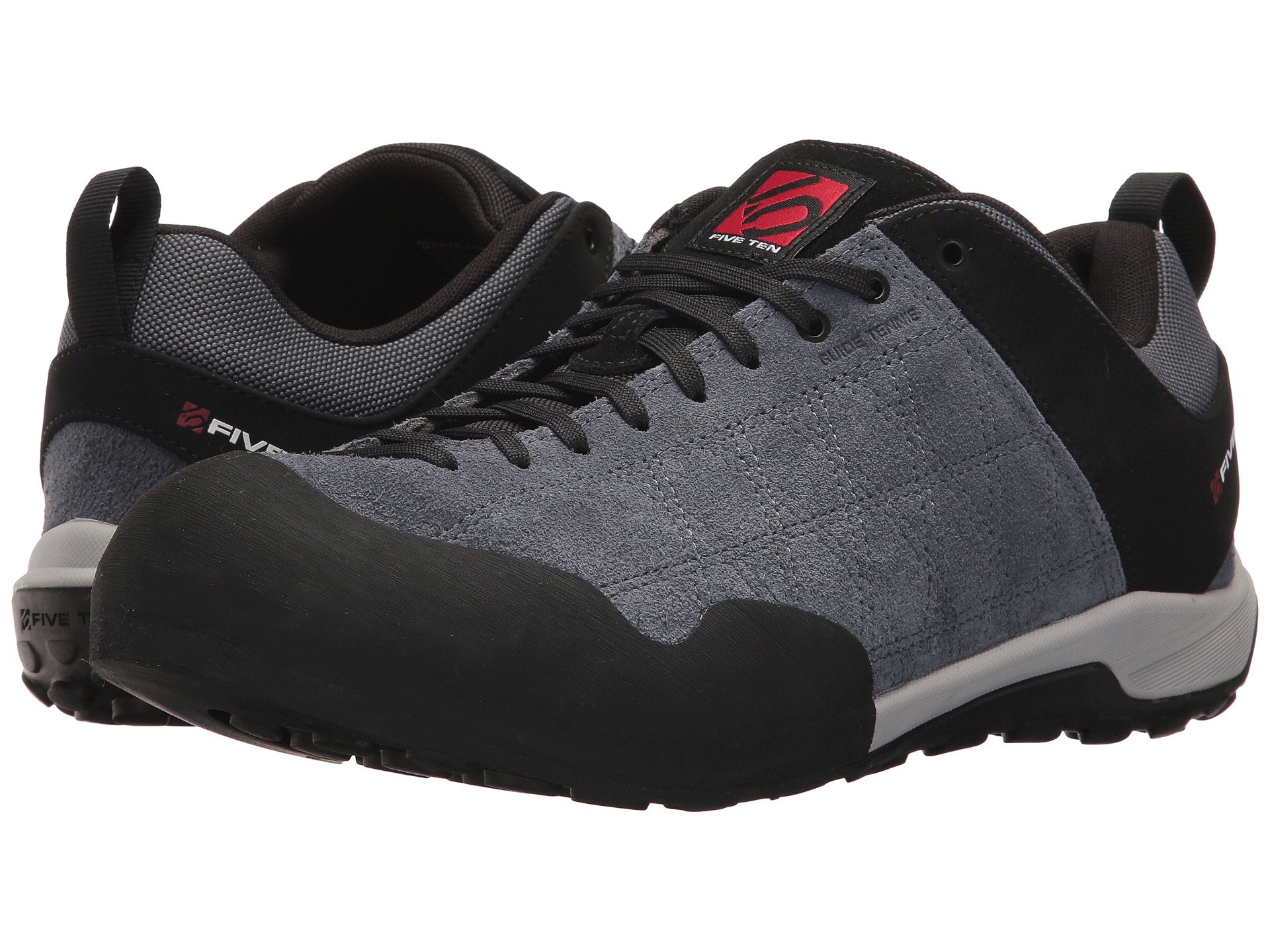
The ability for approach shoes to climb well is important if you’ll be on technical rock often. You’ll be able to tell how well approach shoes climb by the type of rubber it utilizes as well as the lug size and pattern. (Thinner lugs are better for climbing, thicker lugs better for hiking). It should be grippy enough to scramble in as well as climb lightly in them. Light edging, smearing, and sensitivity are good things to consider and if you’re primarily using your approach shoes to descend in, look into how well the rubber grips rock and how stable they are. How they perform against wet or dry rock is also important since the weather and outdoor conditions will vary.
Our Picks
Model
Rubber
Upper
Midsole
Weight
Hiking Ability
If you are leaning toward approach shoes that are adapted more to hiking, that’s where support, comfort, and protection come in. It’s important to look for these aspects when learning how to choose approach shoes. A pair of approach shoes should be stable and support you when walking, even if you’ve got some heavy gear on your back. They should also be comfortable enough to walk in for extended periods of time, although not too long as this defeats the purpose of approach shoes. (Opt for hiking boots if you’re going to hike for a while). They should also provide a good amount of protection from bumping into rocks, brush, branches, etc. Weather resistant approach shoes are also amazing for keeping the elements out such as water and snow.
Our Picks
Model
Rubber
Upper
Midsole
Weight
Step 2: Discover What’s At the Top
Other than the sole, you’ll want to look at what else an approach shoe has to offer on the trail or on rock.
 Heel Loop - Almost all approach shoes sport heel loops, which makes it easier to get shoes on & off, as well as for clipping on to your gear.
Upper Material - Popular materials include mesh, canvas, leather, and synthetics, each offering their own level of durability, breathability, water-resistance, and weight.
Lacing - Although standard laces are the most prevalent, straps and BOA lacing can also be found.
Midsole Cushioning - Look for a well-cushioned midsole to help make longer approaches and hikes a lot more comfortable.
Rand - Rubber rands run around the front, top, and sides of an approach shoe to increase durability and climbing prowess.
Step 3: Consider Additional Features
An important thing to note, there are no approach shoes that can do it all. With that said, you should give some thought as to what you think is essential in a pair of approach shoes that will suit your lifestyle and outdoor activities and what you can do without.
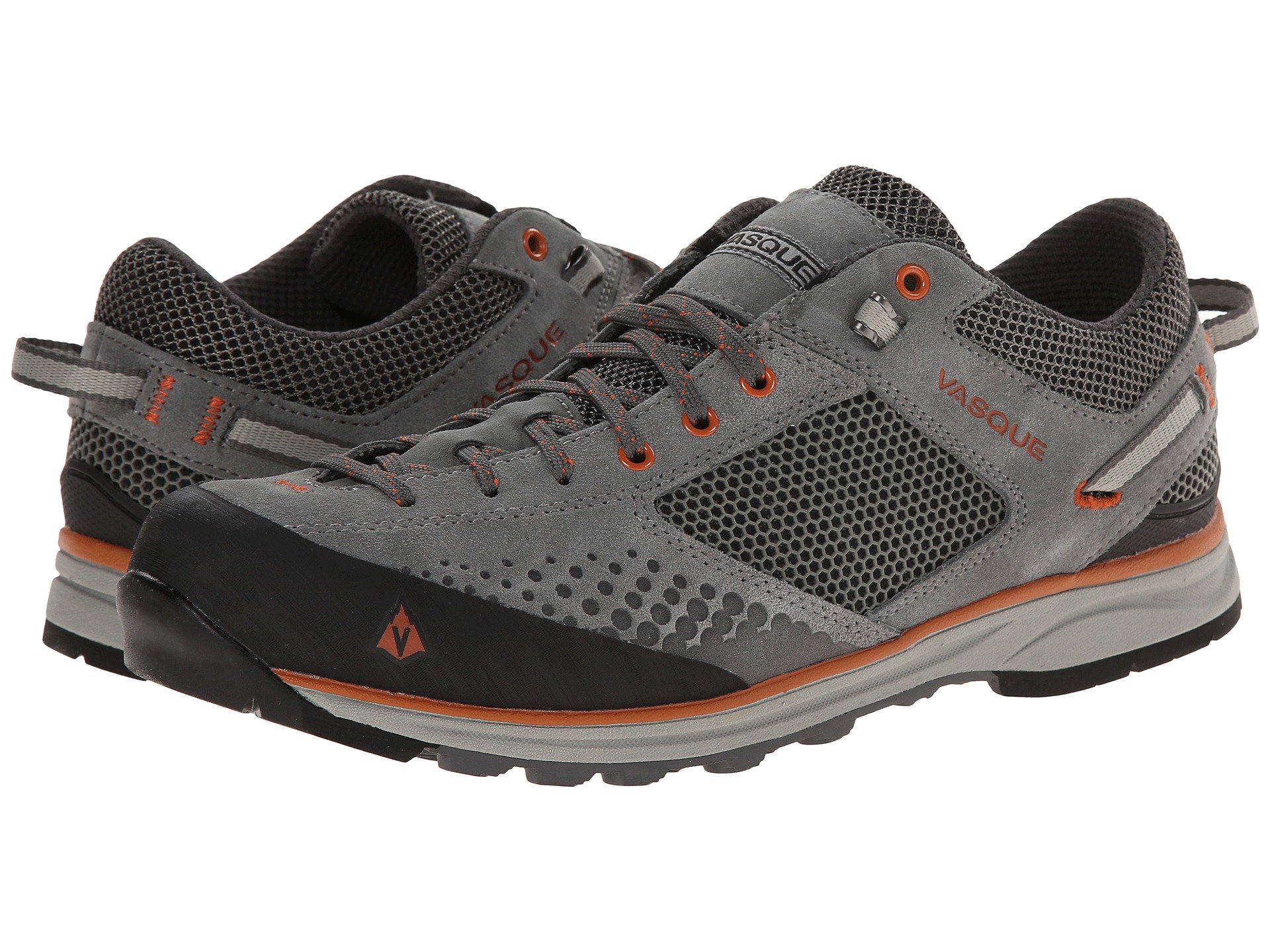
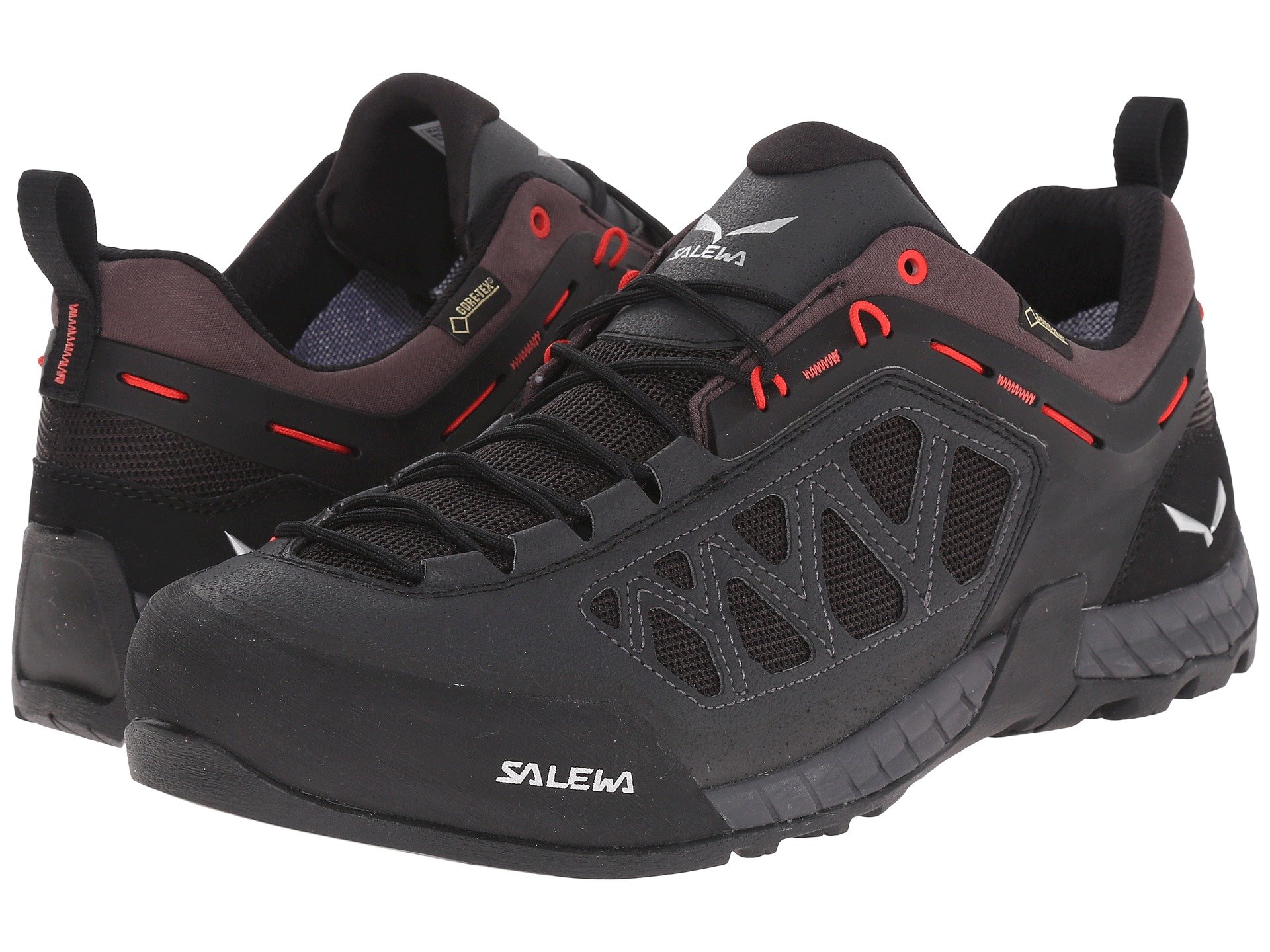
Breathable
If you’re often outside in hot weather, or your feet are prone to getting clammy, look for a breathable upper to keep your feet cool and happy. Although it may lack durability and protection, mesh panels on the upper make a good choice for approaches and casual hikes in the sun.
Our Picks
Model
Rubber
Upper
Midsole
Weight
Waterproof
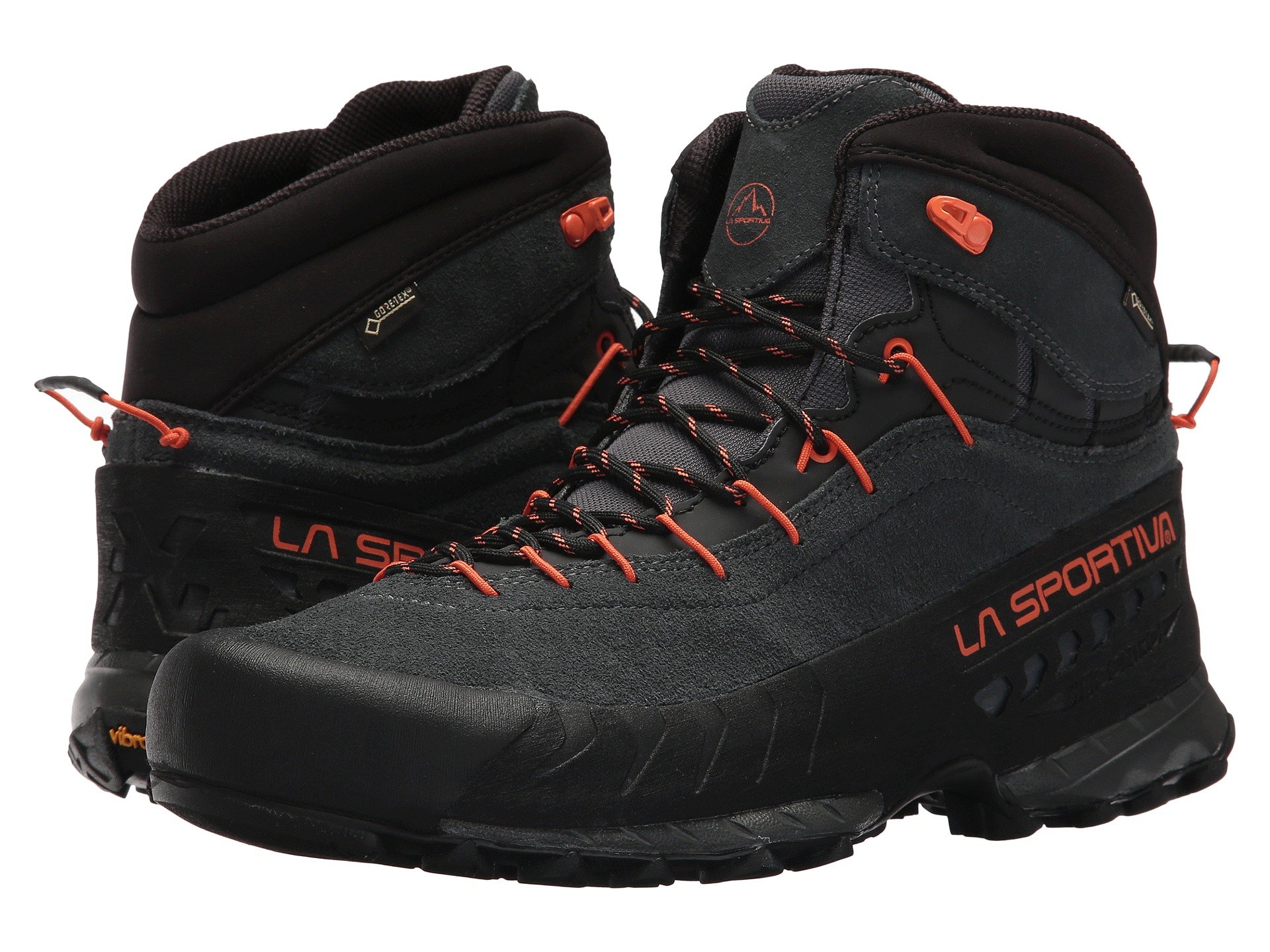
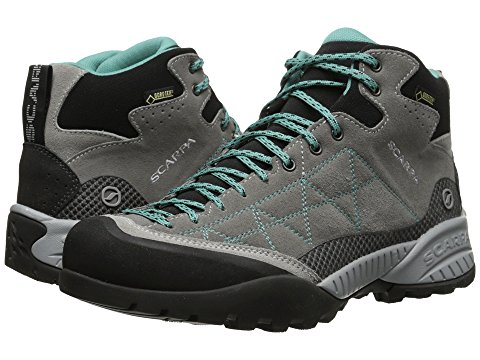
Essential for wet terrain, waterproof uppers keep your feet dry and water out. The only disadvantages are that waterproof shoes are less breathable and a tad heavier. Look for specific Gore-tex (GTX) approach shoes for water immunity.
Our Picks
Model
Rubber
Upper
Midsole
Weight
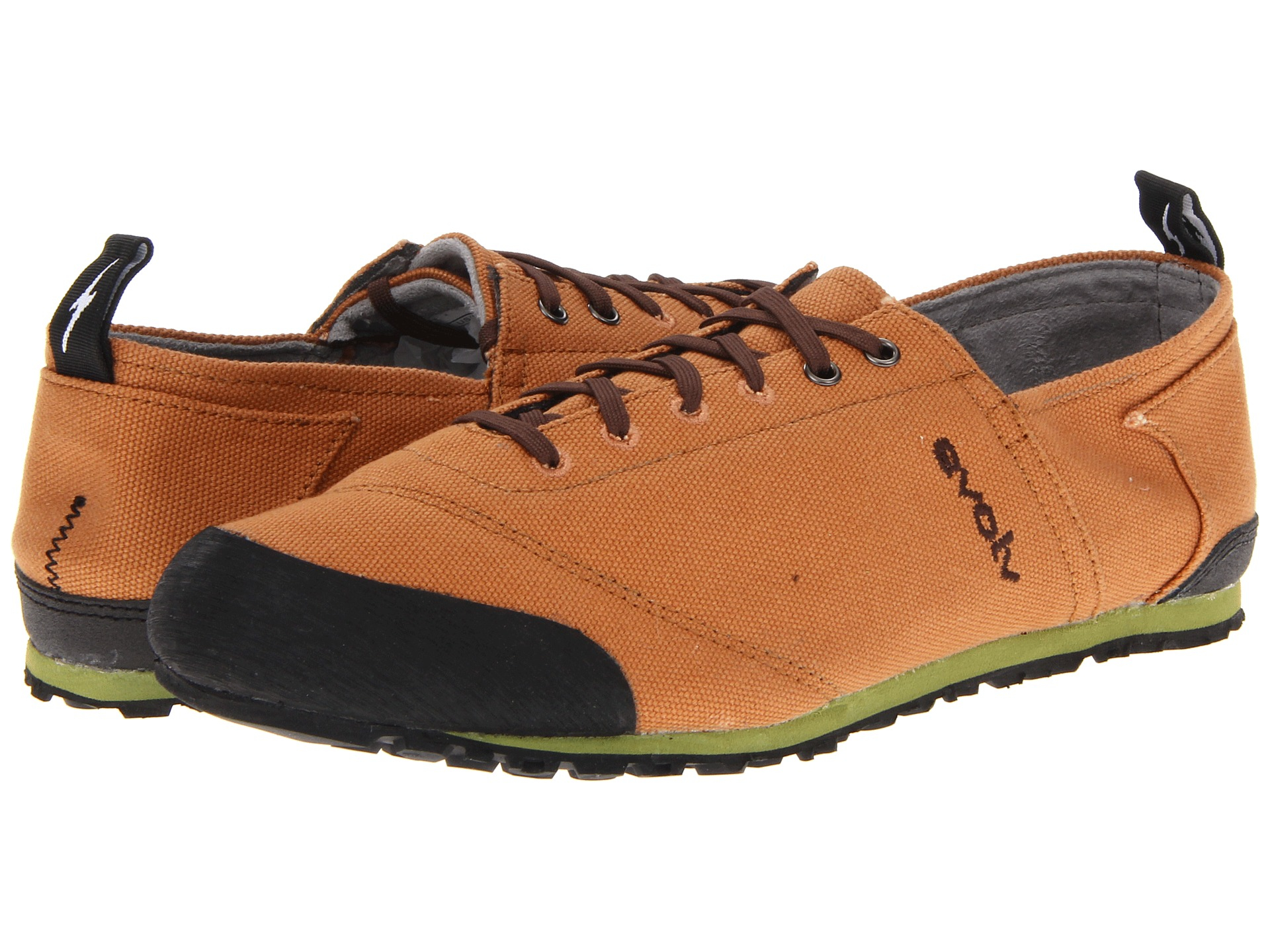
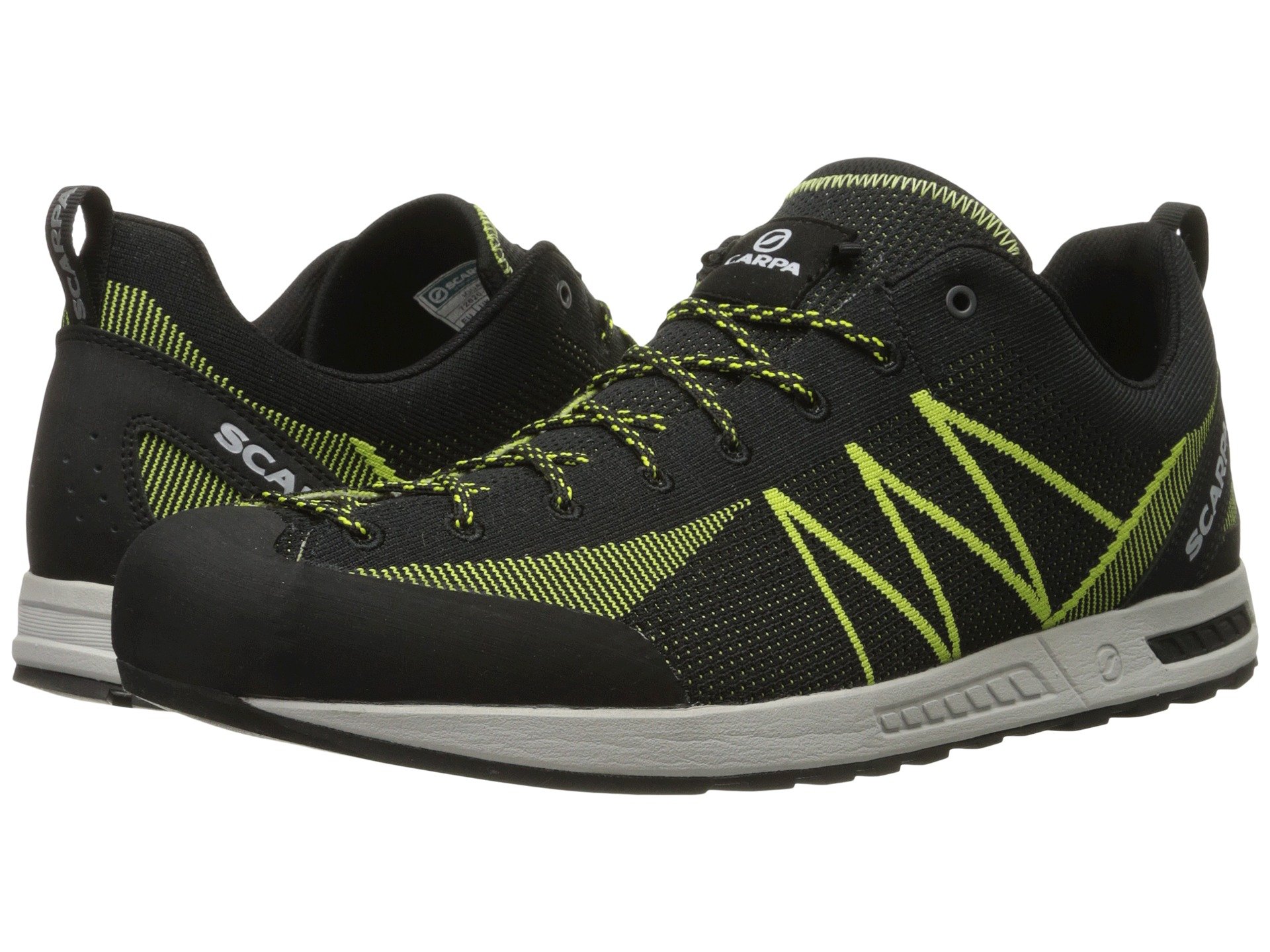
Lightweight
If you want less to carry, whether it’s on your feet or clipped to your pack, lightweight approach shoes offer a good solution for reducing fatigue on strenuous approaches, ascents, and descents. However, lightweight shoes offer less support and durability. Look for uppers made of lightweight material such as canvas or mesh.
Our Picks
Model
Rubber
Upper
Midsole
Weight
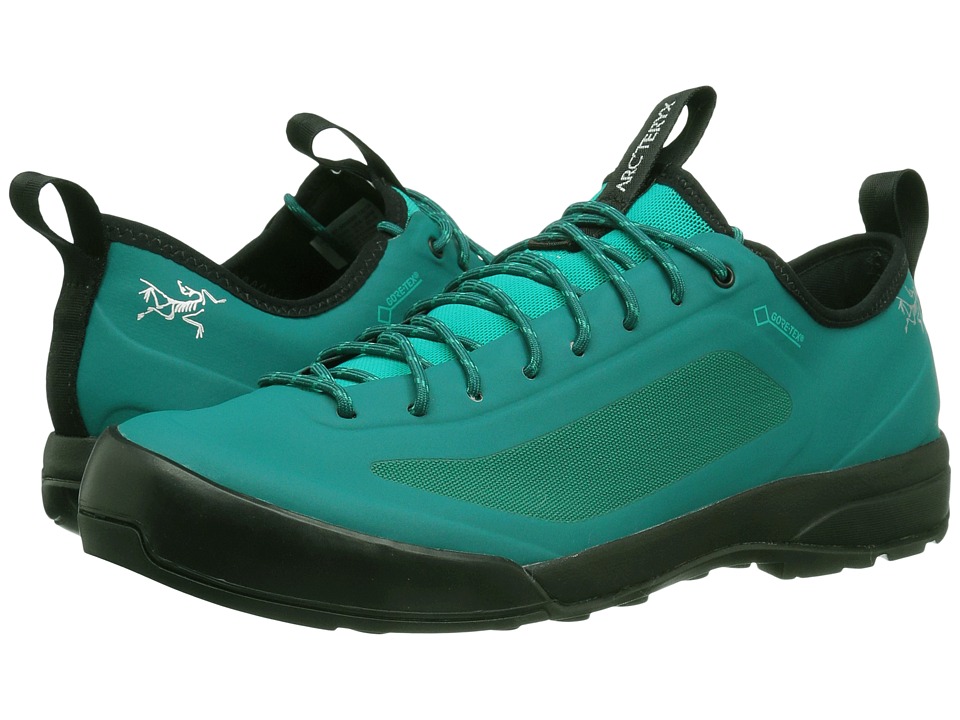
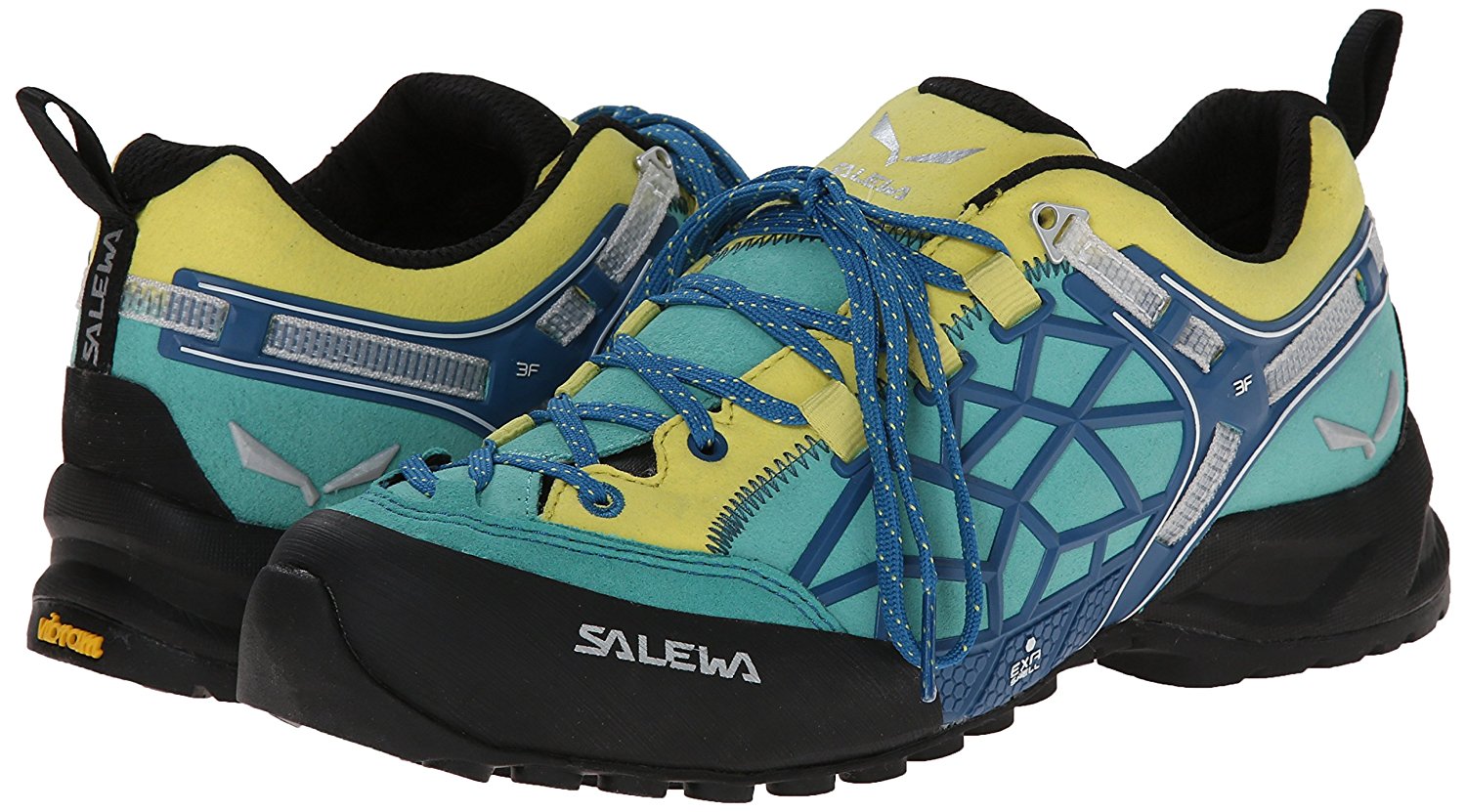
Durable
If your hikes and approaches often leave you exhausted and battered at the end of it all, a durable approach shoe is what you need. Though heavier and less breathable, a durable approach shoe can withstand lots of abuse and will last for a long time. If durability is key, look toward leather or synthetic uppers to fill the niche.
Our Picks
Model
Rubber
Upper
Midsole
Weight
Step 4: Find the Right Fit
Signs of a Perfect Fit
- Enough volume and width for your feet
- No pain, discomfort, or pressure points
- Little if any heel lift when walking
- Suits your lifestyle and outdoor activities
How to Size Approach Shoes
- Size shoes snug if you intend to climb on technical rock more often
- Size shoes slightly roomy if you intend to hike on trails more often
- Fit shoes in the evening with a pair of socks for a more accurate fit


