
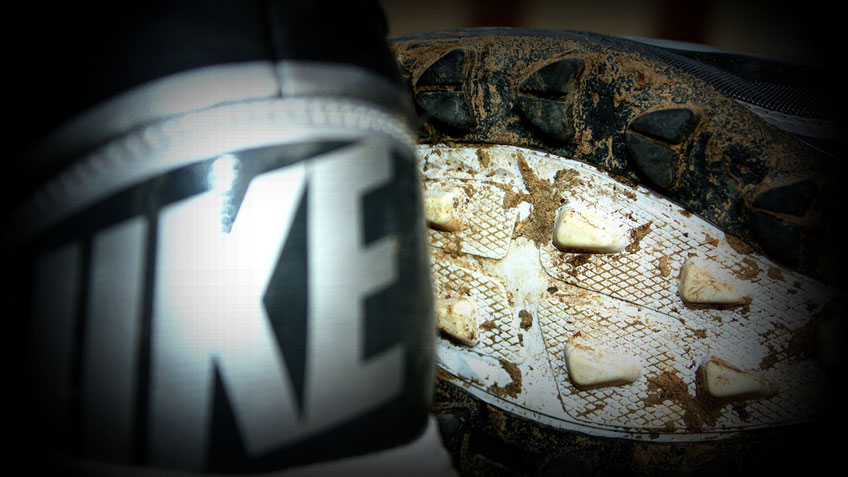
The most important gear you can have while playing football (or gridiron for all the non-Americans and non-Canadians) are the right cleats. In fact, most of the other gear a football player wears is more for protection than performance (except for gloves probably). Football cleats provide traction, protection, and support while you’re trying to make plays to get into the end zone. Thus, it’s crucial that you find the right football cleats for you, which is not such a simple task. With this in mind, you’ll have to take a lot of different factors into account when choosing football cleats. The type of cleat, the best cut length, and the right fit are just a few. So today, we’ll be showing you how to choose football cleats that will suit you best.
How to Choose Football Cleats Infographic

Share This Guide On Your Site
How to Choose Football Cleats: In-Depth
Step 1: Pick the Right Type of Cleat
When learning how to choose football cleats, it’s important to learn the types of cleats. There are two you’ll need to know: molded and detachable.
Molded cleats have studs that are permanently attached to the bottom of the outsole. They are less expensive, need less maintenance, and often specializes on one type of ground. The majority of football cleats have molded studs. Studs come in a variety of materials, usually either rubber, hard plastic, or metal. The downsides are that if the studs wear down, you’ll have to replace the shoes. Also, they aren’t as versatile.
Detachable stud cleats have studs that are removable and replaceable, making them a lot more versatile but more expensive as well. Usually, these types of cleats have longer studs for better traction on the field. You can change studs depending on weather and field conditions. You can also configure the studs to your desire, opting for either short, medium, or longer studs. Because of this, replacing studs that have worn out is a breeze making them very low-maintenance.

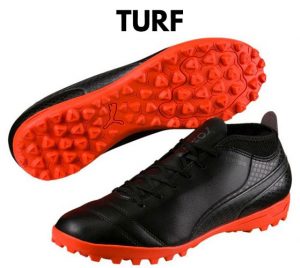
For those who play on turf or want some shoes for practicing in, turf football shoes will fit the bill. Instead of prominent studs like with cleats, turf shoes will have a bunch of small rubber nubs to provide adequate traction on turf. This makes them essential when playing on synthetic surfaces but can also be used for training. While more flexible and comfortable than firm ground cleats, turf shoes cannot be used on firm ground.
Step 2: Choose the Best Cut Length
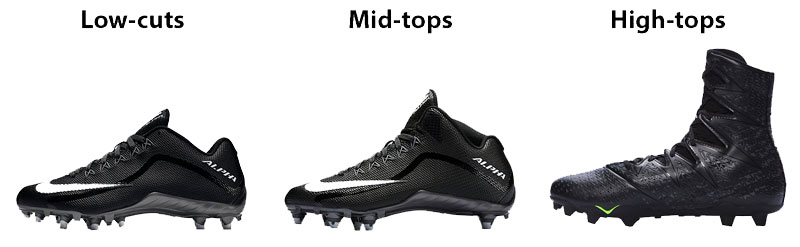
There are three cut lengths to choose from: low-cuts, mid-tops, and high-tops. You can probably already tell each one apart but do you know the unique advantages and disadvantages of each? We’ll go over them now.
Low-cuts - Stops before the ankle, which results in less protection and support. But, the advantages are less weight and more maneuverability, cutting, and speed. Best for quick and agile players who run a lot, i.e. nimble skill players.
Mid-tops - Mid-tops sit around the ankle and offers more support and protection than low-cuts. They also don’t restrict mobility and movement as much as high-tops. Best for the majority of positions that require versatility. Probably the most popular style of football cleat.
High-tops - Often referred to as 5/8 cut or higher, high-tops provide the most stability and protection. Lateral support on high-tops are the absolute best for players who make a lot of side-to-side movements. But, this comes at the cost of freedom of movement and are often heavier. Best for the defensive line.
Step 3: Find the Right Fit
Comfort is one of if not the most important factor you should consider when learning how to choose football cleats. If you’re not comfortable on the field, you’re not performing your best on the field. Thus, here are some tips for choosing cleats:
Signs of a Perfect Fit
- No more than a finger width of space and a snug fitting forefoot and heel that doesn’t lift
- No pain, discomfort, or stud pressure from standing, walking, or running
- Flexible and comfortable enough for dynamic movements
Tips on Fitting Football Cleats
- Consider whether shoes will stretch. Real leathers stretch, synthetics don’t
- Wear socks you intend to play in and shop in the afternoon for an accurate fit
- Try walking, running, and stretching in cleats to ensure they are comfortable


